Geothermal Power
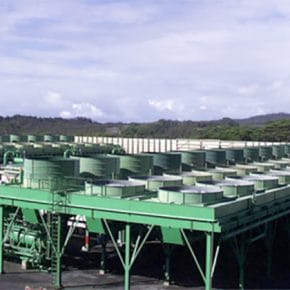
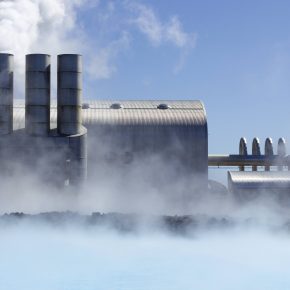
The earth beneath our feet contains a significant amount of energy in the form of heat. This is referred to as geothermal energy and has the potential to generate geothermal power to provide large communities with a renewable electricity supply.
People have made use of geothermal energy in the form of hot springs for centuries however the first attempt to generate electricity from this energy source did not occur until the 20th century.
The production of electricity from geothermal energy sources can be a highly efficient means of delivering clean and renewable electricity to many people. Location is of key importance for the development of an efficient geothermal power station and therefore, economically viable levels of electricity can only be generated in certain areas of the world. There are only a handful of locations across the world that are capable of producing viable and efficient levels of electricity from geothermal energy sources and as a result of this, in 2007, less than 1% of the world's electricity supply was produced from geothermal sources.
There are a variety of different geothermal power station designs, each of which offers a unique way of extracting geothermal energy. The three main power plant designs which utilise geothermal as an energy source are as follows:
- Dry Steam
- Flash Steam
- Binary-Cycle
Geothermal Ground Source Heat Pumps
Generating electricity from geothermal energy requires an industrial system which is by no means suitable for a home or business. an alternative means of harnessing geothermal energy in a bid to receive a source of clean and renewable energy is through a ground source heat pump.
A ground source heat pump takes advantage of the geothermal activity in the first few meters beneath our feet in order to provide part of a hot water supply. Cold water is pumped through a series of pipes often spanning hundreds of meters but situated only a few meters beneath ground level. This water is gradually heated during its journey through the pipes and is then fed into a boiler at several degrees above the temperature it originally was. Although this method can by no means provide anything near a "hot" water supply, it can reduce the energy needed to heat water in your home by a significant amount.
The main advantage of geothermal ground source heat pumps is that they can be used in many locations. Even ground source heat pumps installed in colder regions such as Norway and Sweden see significant results.
A geothermal heat pump system can be highly effective at reducing the energy you require to heat water and therefore reducing your energy bills.
Geothermal Disadvantages
Although geothermal energy can be a useful and economically viable renewable energy source, there are several disadvantages of using the power of geothermal energy to provide hot water for your home.
- The initial cost of design and installation can be costly yet this investment would be likely to pay off over the years of operation.
- The area needed to lay the piping system can be quite large and this may not be suitable for small developments.
These are just some of the disadvantages of using geothermal energy yet there are many more advantages which greatly outweigh these negatives.